
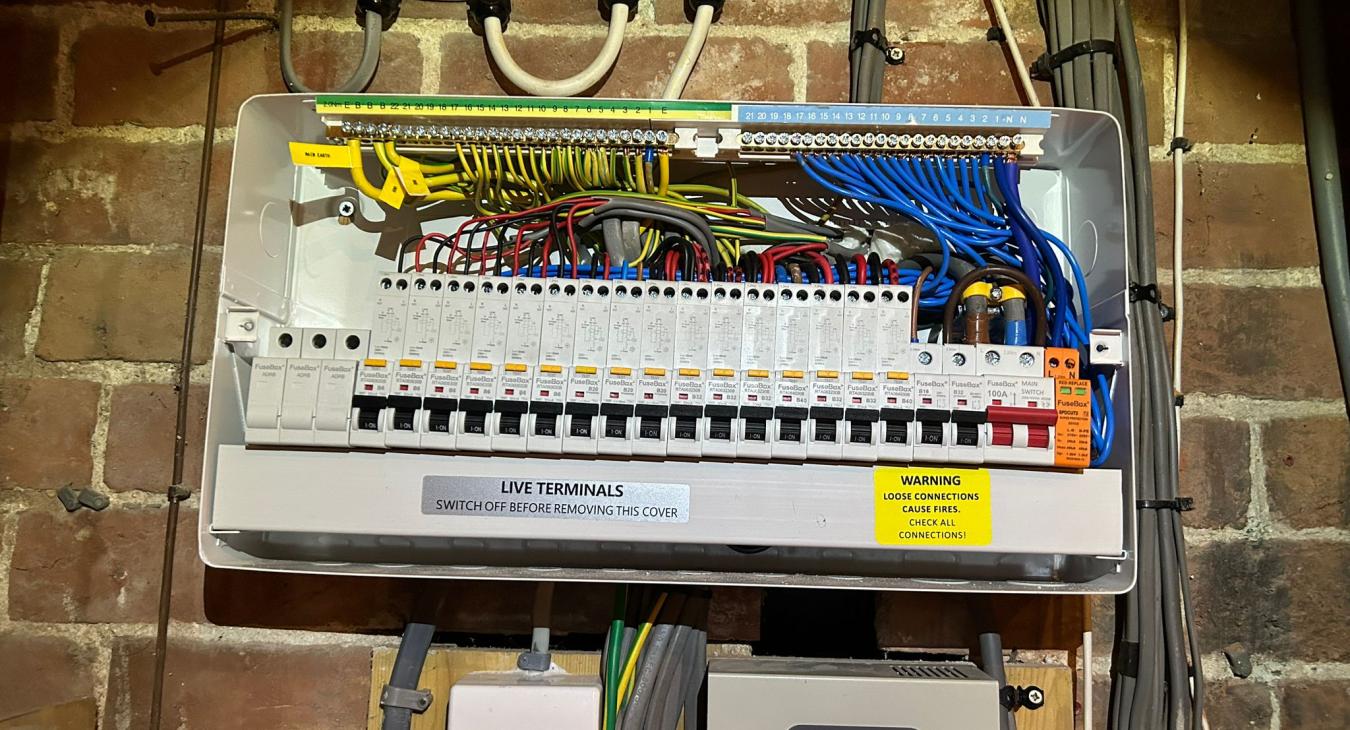
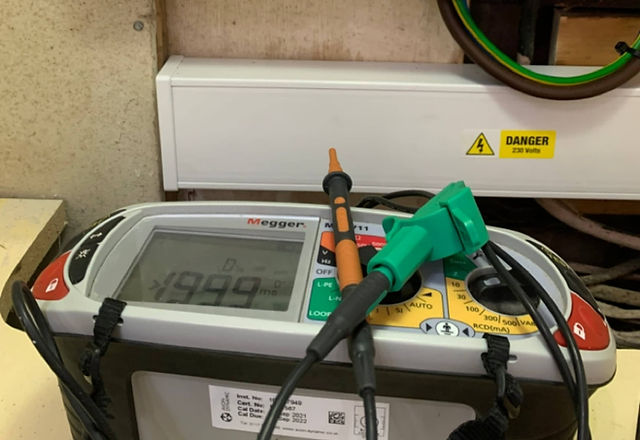
If you’re a landlord, understanding EICR cost in the UK is essential. Electrical inspections are a legal requirement for rental properties, and prices vary depending on property size, location and complexity.
This updated 2026 guide explains:
- Average EICR costs
- What affects the price
- What’s included in the inspection
- Remedial costs explained
- Tax deductibility
- How to avoid overpaying
Who This Guide Is For
This guide is written for:
- UK private landlords
- Letting agents
- HMO property owners
- Portfolio investors
If you rent out property, this applies to you.
Average EICR Cost in the UK (2026)
Most landlords currently pay:
| Property Type | Typical Cost |
|---|---|
| 1-bed flat | £100 – £170 |
| 2-bed flat | £120 – £200 |
| 3-bed house | £150 – £250 |
| 4-bed house | £180 – £300+ |
| HMO (5+ rooms) | £250 – £500+ |
London pricing
Expect 15–30% higher than the UK average.
What Is an EICR?
An Electrical Installation Condition Report (EICR) is a formal inspection of a property’s fixed electrical wiring.
Under the Electrical Safety Standards in the Private Rented Sector (England) Regulations 2020, landlords must:
- Arrange an EICR at least every 5 years
- Provide a copy to tenants
- Complete remedial work within 28 days (if required)
For full legal detail, see our guide:
EICR for Landlords – Legal Requirements Explained
Landlords must also ensure they have:
- A valid Gas Safety Certificate (CP12)
- A valid EPC certificate
Together, these form the core landlord compliance requirements. Find out what happens if a Landlord does not have an EICR.
What Affects EICR Cost?
Several factors influence pricing:
1. Property Size
More circuits = more testing time.
2. Age of Wiring
Older installations require deeper inspection.
3. Number of Consumer Units
Multiple fuse boards increase complexity.
4. Accessibility
Hard-to-reach areas increase labour time.
5. Urgency
Same-day services cost more.
What’s Included in an EICR?
A compliant inspection includes:
- Visual inspection of wiring
- Circuit testing
- RCD testing
- Earthing & bonding checks
- Identification of C1, C2, C3 codes
- Written report and certificate
If the inspection takes less than an hour for a standard property, it may not be thorough.
You will usually arrange this alongside your annual gas safety check.
Landlords normally organise the EPC at the same time as compliance certificates.
Remedial Work Costs Explained
If faults are found, they are coded as:
- C1 – Danger Present (Immediate repair required)
- C2 – Potentially Dangerous (Urgent repair required)
- C3 – Improvement Recommended (Advisory only)
Remedial work is charged separately from the inspection.
Minor fixes may cost £50–£200.
Major rewiring can run into thousands.
Is EICR Tax Deductible?
Yes.
EICR costs are generally considered maintenance expenses and can be deducted against rental income for tax purposes.
Always confirm with your accountant.
How to Avoid Overpaying
- Get at least two quotes
- Confirm full circuit testing is included
- Ensure certificate is included in the price
- Check electrician is NICEIC or NAPIT registered
- Avoid unusually cheap “quick test” offers
Compare Fixed-Price EICR Quotes
Instead of guessing pricing, compare fixed landlord rates in your area.
- Enter your postcode
- View local qualified electricians
- Get transparent pricing
(Insert your future quote form / lead capture block here)
Frequently Asked Questions
How often do landlords need an EICR?
At least every 5 years, or sooner if stated on the report.
Can tenants request an EICR?
Yes. Landlords must provide a copy within 28 days.
Is EICR mandatory in Scotland and Wales?
Yes, but regulations differ slightly from England.
What happens if a landlord doesn’t get one?
Local authorities can issue fines of up to £30,000.
Is an EICR required when selling a property?
No, but buyers often request electrical certification.
Final Thoughts
For most landlords, an EICR costs between £120 and £250.
While price matters, compliance matters more.
A cheap inspection that misses issues can cost far more later.
Treat your EICR as a legal safeguard — not just a tick-box exercise.